Bio
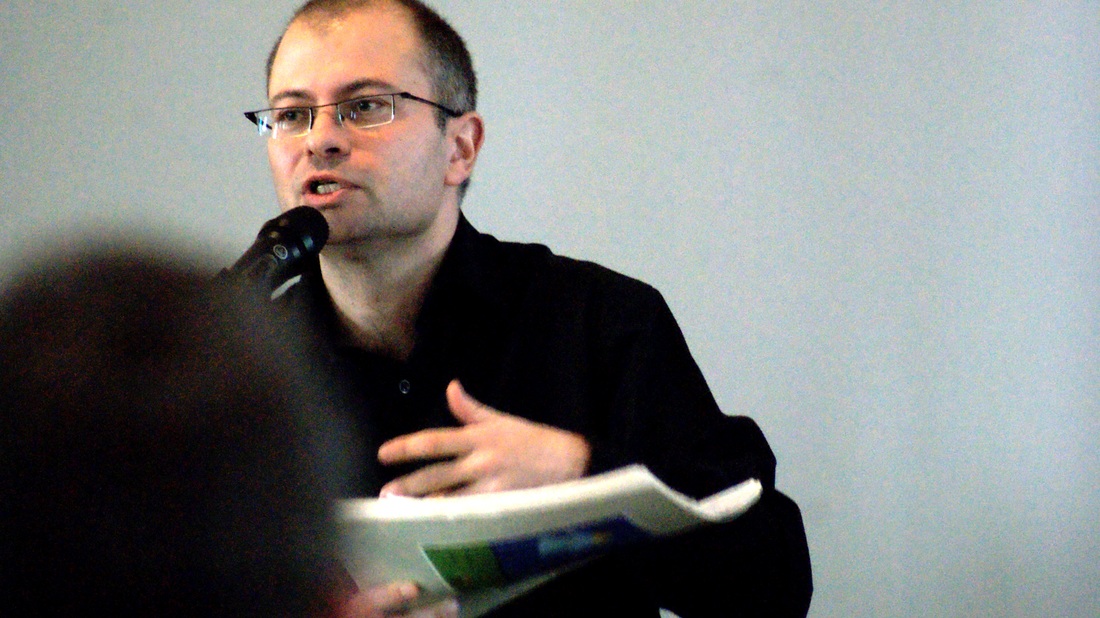
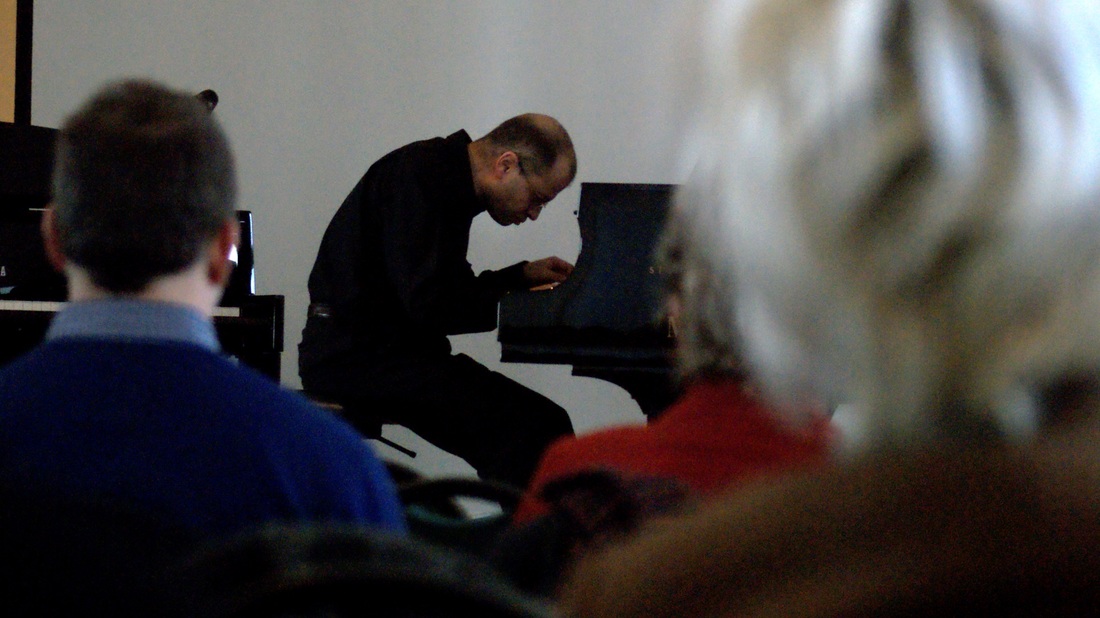
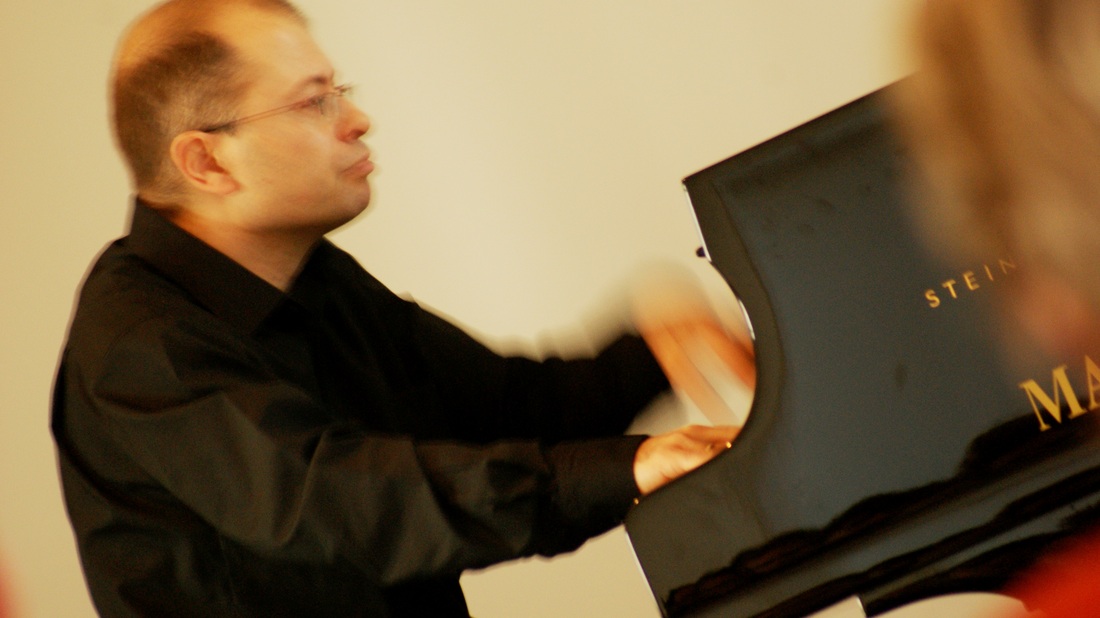
STÉPHANE VANDE GINSTE (b. 1971) is a Belgian composer and pianist. He studied piano with Jan Michiels and composition with André Laporte at the Royal Conservatory of Brussels.
Vande Ginste is the winner of numerous composition competitions. He has been awarded six times as a laureate of the Cantabile Composition Competition and, more recently, received the Big Prize for Pedagogical Contribution at the Artistes en herbes competition in Luxembourg.
For many years, he served as composer in residence with Ensemble Emanon, conducted by Raf De Keninck. During this period, he composed his largest work to date, Darkness (2007), for double string quartet, wind quintet, piano, percussion, and two narrators, based on texts by Lord Byron and Charlie Chaplin. The work was recorded on the CD Darkness – In Flanders’ Fields.
He also collaborated closely with Ensemble Arco Baleno, for whom he composed the Chamber Concerto in 2009, recorded on the CD Kaleidoscope.
In 2016, Vande Ginste completed an ambitious compositional project: he wrote one piano piece every day for an entire year, each lasting at least one minute, resulting in a collection of 366 piano pieces. In 2017, he was invited as a guest composer to the World Piano Conference in Novi Sad (Serbia).
In 2018, he composed his longest solo piano work, 50 Variations on a “Valse lente”, which was premiered and recorded by Dutch pianist Marcel Worms.
Currently, Vande Ginste is working on a large-scale cycle aiming to compose a sonata with piano for every instrument of the symphony orchestra. To date, he has completed eight sonatas (for flute, oboe, clarinet, bassoon, trumpet, trombone, horn, and tuba). His Flute Sonata won first prize in the chamber music category at the National Flute Convention in Chicago.
Alongside his concert works, Stéphane Vande Ginste has composed an extensive body of educational music, performed worldwide, and has recently expanded his output to include works for children’s choir. His music is published by Metropolis Publishers (UMMP) and Euprint.
He teaches music theory and piano at Academie Schoten and is a member of SABAM as well as an active member of the Union of Belgian Composers (UBC).
Vande Ginste is the winner of numerous composition competitions. He has been awarded six times as a laureate of the Cantabile Composition Competition and, more recently, received the Big Prize for Pedagogical Contribution at the Artistes en herbes competition in Luxembourg.
For many years, he served as composer in residence with Ensemble Emanon, conducted by Raf De Keninck. During this period, he composed his largest work to date, Darkness (2007), for double string quartet, wind quintet, piano, percussion, and two narrators, based on texts by Lord Byron and Charlie Chaplin. The work was recorded on the CD Darkness – In Flanders’ Fields.
He also collaborated closely with Ensemble Arco Baleno, for whom he composed the Chamber Concerto in 2009, recorded on the CD Kaleidoscope.
In 2016, Vande Ginste completed an ambitious compositional project: he wrote one piano piece every day for an entire year, each lasting at least one minute, resulting in a collection of 366 piano pieces. In 2017, he was invited as a guest composer to the World Piano Conference in Novi Sad (Serbia).
In 2018, he composed his longest solo piano work, 50 Variations on a “Valse lente”, which was premiered and recorded by Dutch pianist Marcel Worms.
Currently, Vande Ginste is working on a large-scale cycle aiming to compose a sonata with piano for every instrument of the symphony orchestra. To date, he has completed eight sonatas (for flute, oboe, clarinet, bassoon, trumpet, trombone, horn, and tuba). His Flute Sonata won first prize in the chamber music category at the National Flute Convention in Chicago.
Alongside his concert works, Stéphane Vande Ginste has composed an extensive body of educational music, performed worldwide, and has recently expanded his output to include works for children’s choir. His music is published by Metropolis Publishers (UMMP) and Euprint.
He teaches music theory and piano at Academie Schoten and is a member of SABAM as well as an active member of the Union of Belgian Composers (UBC).
News
|
|
Update: “The publishing house Lantro Music will cease its activities. Its publications will be taken over by Metropolis Publishers (UMMP).
Concert "Vier maal kopers": Review by Wilfried Westerlinck:
"Stéphane Vande Ginste is a composer with a clearly defined plan.
In 2020, he conceived the idea of writing a sonata for every orchestral instrument. He began at the top of the score page, and in the first few years this resulted in sonatas for flute, oboe, clarinet, and bassoon.
With his Flute Sonata, he even won a prize in 2022 from the National Flute Association in Chicago. In an orchestral score, the brass instruments come next in line.
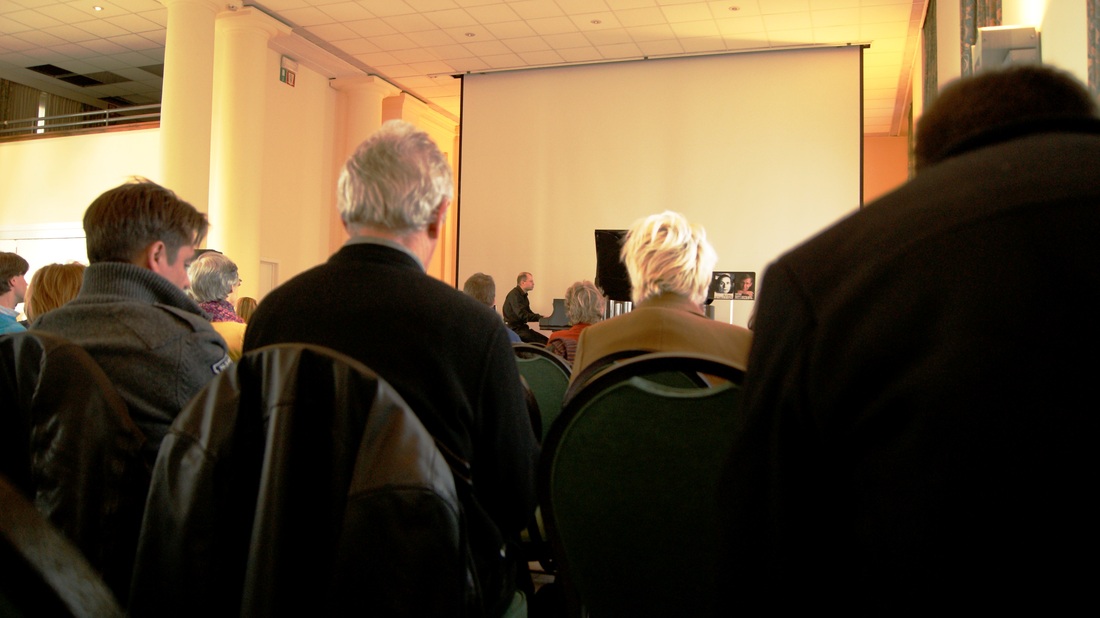
This score order—horn, trumpet, trombone, and tuba—was also carefully followed during the presentation concert held at the Castle of Schoten on Sunday, February 15. The small concert hall was pleasantly full for this event featuring four premieres. Undoubtedly, it was a high point for a composer to be able to present four new works in succession. The composer himself evidently preferred to keep the piano part in his own hands.
Horn player Tanguy Aerts, who studied with Rik Vercruysse and went on an Erasmus exchange to Scotland, opened the program with a powerful and convincing performance of his three-movement sonata, in which various bell-like motifs emerged alongside a restrained Lento religioso.
Trumpeter Robby Boone appeared with several types of instruments. He studied at the Lemmens Institute with Léon Petré and Benny Wiame and is currently a teacher in Sint-Pieters-Woluwe. In terms of structure, this sonata somewhat parallels the one for horn. The use of the flugelhorn in the second movement added an extra warmth to the overall sound, creating a strong contrast with the dancing final gigue and lending the work an Italian flavor.
For the premiere of the Trombone Sonata, the composer called upon his colleague from the Schoten Music Academy, Barthel Hendrickx. Here again, we find the classical three-movement approach, beginning with a robust Marcia that brought the music of Paul Hindemith to mind—himself a composer who wrote an extensive series of sonatas for a wide variety of instruments. The Aria of the second movement struck me as somewhat brief, but a playful and densely packed, syncopated finale brought this spirited work to a close.
For his Tuba Sonata, the composer enlisted Bernd Van Echelpoel, who is undoubtedly a phenomenon on his instrument. Since 2009, he has been the tubist of the Antwerp Symphony Orchestra and for more than ten years a professor at the Antwerp Conservatory. Always in search of new repertoire, he is particularly enthusiastic about this new work by Vande Ginste. This time, the sonata consisted of four movements, opening with a beautiful cantilena, followed by a powerful and rhythmic Allegro that proved the tuba is not nearly as unwieldy an instrument as one might think. After the Lento, the composer concluded with a driven Presto infused with a light flamenco touch.
Stéphane Vande Ginste has certainly made a valuable contribution to the brass repertoire in our country. This first encounter was more than pleasant!"
Wilfried Westerlinck, composer
"Stéphane Vande Ginste is a composer with a clearly defined plan.
In 2020, he conceived the idea of writing a sonata for every orchestral instrument. He began at the top of the score page, and in the first few years this resulted in sonatas for flute, oboe, clarinet, and bassoon.
With his Flute Sonata, he even won a prize in 2022 from the National Flute Association in Chicago. In an orchestral score, the brass instruments come next in line.
This score order—horn, trumpet, trombone, and tuba—was also carefully followed during the presentation concert held at the Castle of Schoten on Sunday, February 15. The small concert hall was pleasantly full for this event featuring four premieres. Undoubtedly, it was a high point for a composer to be able to present four new works in succession. The composer himself evidently preferred to keep the piano part in his own hands.
Horn player Tanguy Aerts, who studied with Rik Vercruysse and went on an Erasmus exchange to Scotland, opened the program with a powerful and convincing performance of his three-movement sonata, in which various bell-like motifs emerged alongside a restrained Lento religioso.
Trumpeter Robby Boone appeared with several types of instruments. He studied at the Lemmens Institute with Léon Petré and Benny Wiame and is currently a teacher in Sint-Pieters-Woluwe. In terms of structure, this sonata somewhat parallels the one for horn. The use of the flugelhorn in the second movement added an extra warmth to the overall sound, creating a strong contrast with the dancing final gigue and lending the work an Italian flavor.
For the premiere of the Trombone Sonata, the composer called upon his colleague from the Schoten Music Academy, Barthel Hendrickx. Here again, we find the classical three-movement approach, beginning with a robust Marcia that brought the music of Paul Hindemith to mind—himself a composer who wrote an extensive series of sonatas for a wide variety of instruments. The Aria of the second movement struck me as somewhat brief, but a playful and densely packed, syncopated finale brought this spirited work to a close.
For his Tuba Sonata, the composer enlisted Bernd Van Echelpoel, who is undoubtedly a phenomenon on his instrument. Since 2009, he has been the tubist of the Antwerp Symphony Orchestra and for more than ten years a professor at the Antwerp Conservatory. Always in search of new repertoire, he is particularly enthusiastic about this new work by Vande Ginste. This time, the sonata consisted of four movements, opening with a beautiful cantilena, followed by a powerful and rhythmic Allegro that proved the tuba is not nearly as unwieldy an instrument as one might think. After the Lento, the composer concluded with a driven Presto infused with a light flamenco touch.
Stéphane Vande Ginste has certainly made a valuable contribution to the brass repertoire in our country. This first encounter was more than pleasant!"
Wilfried Westerlinck, composer
Prize
I won the "Big Prize for pedagogical contribution" in the composition contest "Artistes en herbes", Luxembourg.
Video |
Scores
Recordings
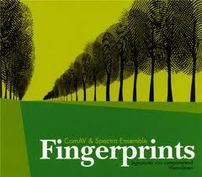
FINGERPRINTS 1
"Signaturen van componerend Vlaanderen" 2011
21th Century/ Contemporary
Spectra Ensemble, dir. Filip Rathé
"3 Bagatellen" for piano
21th Century/ Contemporary
Spectra Ensemble, dir. Filip Rathé
"3 Bagatellen" for piano
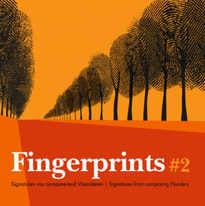
FINGERPRINTS 2
open.spotify.com/album/50elIeUWPzPzeD8btSiwZm?si=U4QVAnKtQySKlOj3pN_d7A
Edition 2016
"Snapshot" for piano and marimba
Edition 2016
"Snapshot" for piano and marimba
FINGERPRINTS 3
DARKNESS
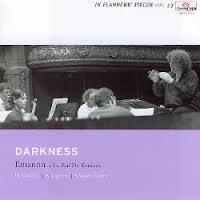
open.spotify.com/track/0JDR7RawTCjcTuCeySK7L4?si=Hqfnd7VpSi-FFxiDMTBanw
Ensemble Emanon, dir. Raf De Keninck
Contemporary, 2007
Phaedra
"Darkness" for string quintet/wind quintet/percussion/piano/2 narrators
Texts by Lord Byron and Charles Chaplin
Ensemble Emanon, dir. Raf De Keninck
Contemporary, 2007
Phaedra
"Darkness" for string quintet/wind quintet/percussion/piano/2 narrators
Texts by Lord Byron and Charles Chaplin
KALEIDOSCOOP
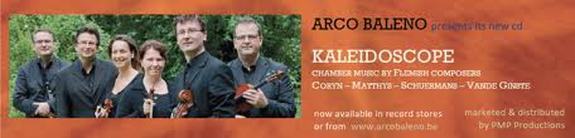
youtu.be/oEzMISMZ2VQ
Ensemble Arco Baleno
Contemporary Flemish Composers
"Chamber Concerto" for flute, harpsichord and strings
2010
Ensemble Arco Baleno
Contemporary Flemish Composers
"Chamber Concerto" for flute, harpsichord and strings
2010
CANTABILE PIANO-COMPETITION
Flemish Imposed Works for Cantabile, piano competition for youth
"5 short variations on a tango-theme"